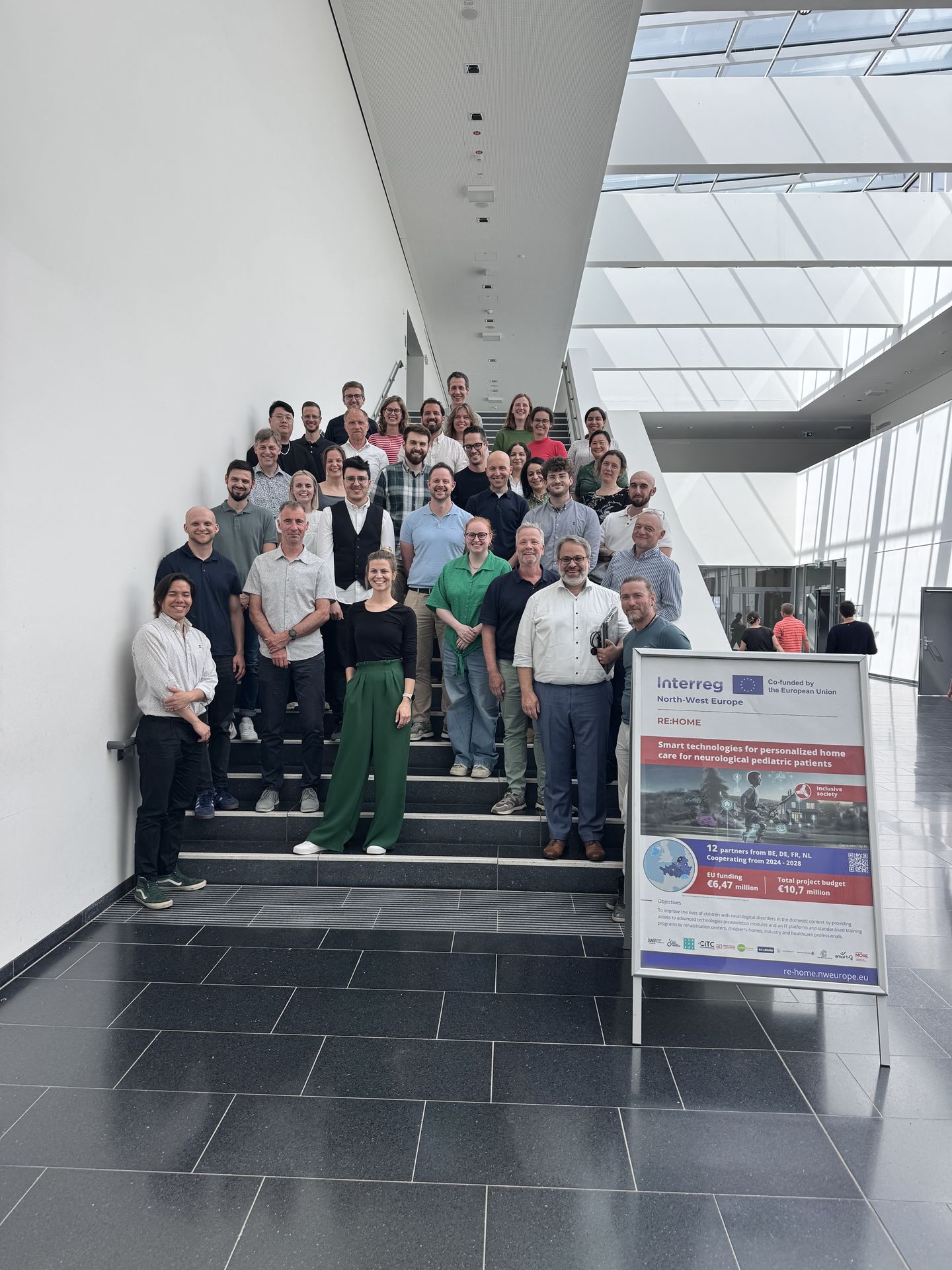
On June 1st and 2nd, REHOME partners gathered in Bochum, Germany, for the project's Annual Meeting. Bringing together experts from France, Belgium, the Netherlands, and Germany, the event provided an opportunity to review achievements, demonstrate the latest developments, and prepare the next stages of the project.
Showcasing Progress Across the Project
Throughout the two-day meeting, partners presented significant advances in both technological and clinical activities.
Among the highlights were:
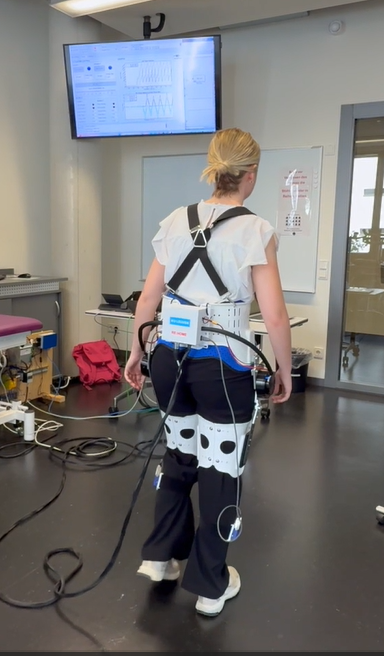
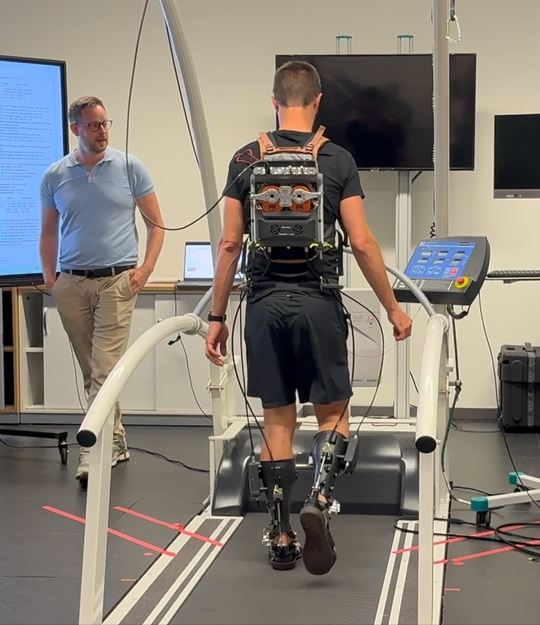
New versions of the exoskeleton prototypes, featuring improved performance and reduced weight.
Progress in smart textile developments and sensor integration.
Advances in clinical validation activities and assessment methodologies.
Enhanced data collection and visualization tools supporting rehabilitation pathways.
These demonstrations reflected the collective efforts of the consortium to develop innovative rehabilitation solutions for children with cerebral palsy.
Building a Connected Rehabilitation Ecosystem
A key milestone presented during the meeting was the growing integration of REHOME technologies into a shared digital ecosystem.Data collected through sensors, smart garments, and rehabilitation devices can now be combined and visualized through dedicated clinician dashboards. This integrated approach supports more informed clinical decision-making and contributes to the project's ambition of enabling data-driven rehabilitation.
Collaboration at the Heart of REHOME
Beyond the technical demonstrations, the Annual Meeting highlighted the strength of collaboration across the consortium.Researchers, clinicians, engineers, technology providers, and communication teams exchanged knowledge, shared experiences, and discussed future directions. These interactions are essential to ensuring that technological developments remain aligned with clinical needs and user expectations.
Looking Ahead
As the REHOME project moves forward, partners will continue refining technologies, expanding validation activities, and preparing future pilot implementations.The progress showcased in Bochum demonstrates the consortium's commitment to delivering innovative, effective, and accessible rehabilitation solutions that can improve the quality of life of children and their families.